What are RF jumper cables and their essential role in base station connectivity? They are electrical wires designed specifically for Radio Frequency (RF) applications. RF jumper cables connect different pieces of equipment, like antennas and base stations. Each cable is specially made to handle signals that travel at high speeds, ensuring proper communication. In our world, where everything seems connected, these cables play a big part. Imagine trying to watch your favorite show on a streaming service; if the connection isn’t strong enough, it might freeze or glitch. Similarly, in communications, if the cable doesn’t transmit signals properly, calls can drop or internet service can lag. The materials in RF jumper cables are made to reduce loss of signal, meaning they keep the information flowing smoothly. At HUAXING, we understand that these cables need to work well even in tough conditions. We create RF jumper cables that can stand strong against heat, humidity, and even bending in tight spaces. This makes them perfect for almost any situation where a reliable connection is needed.
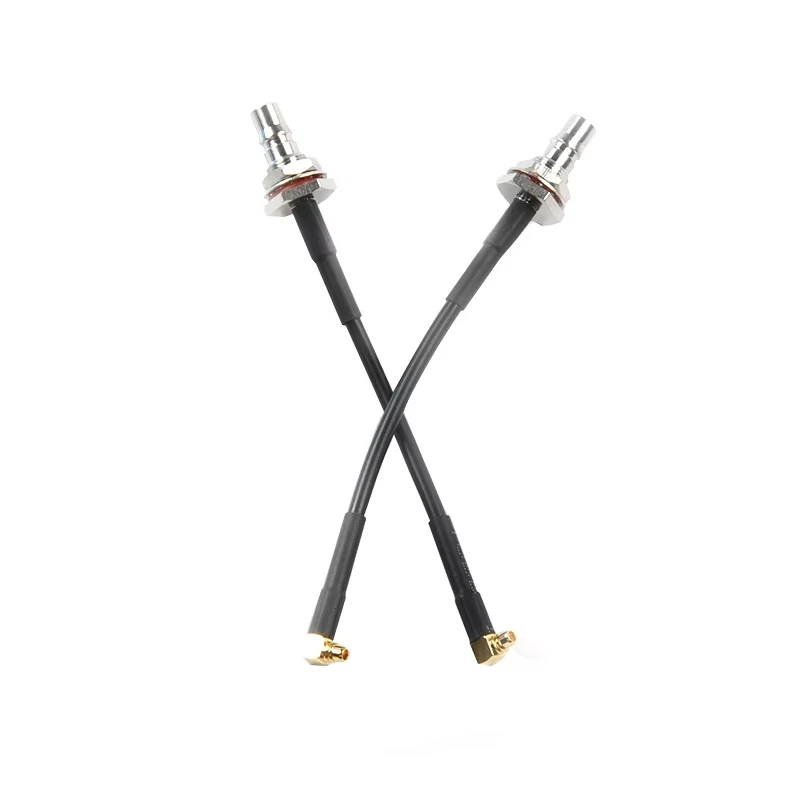
How RF jumper cables enhance signal quality for base stations and antennas? Well, these cables help make sure the signals are powerful and clear. They reduce noise and interference that often happen when signals travel long distances. This is super important, especially in crowded places or during bad weather. Think about trying to listen to music on a crowded bus; you might hear the music clearly some of the time, but other noises can drown it out. Just like that, if there's interference, the signals can get messy. RF jumper cables are designed to minimize that interference, so the messages come through clearly. At HUAXING, we pay careful attention to how we make these cables. Their design helps them handle various conditions, ensuring a good connection no matter where they are used. Therefore, using high-quality RF jumper cables means better signals, clearer conversations, and more reliable internet connections. All of this helps keep us connected, making our daily lives smoother and more enjoyable.
When it comes to connecting a base station and an antenna, using good RF jumper cables is essential. But what should you look for when choosing these cables? First, you should think about the length of the cable. The cable should be long enough to reach from the base station to the antenna without stretching too much. If it’s too short, you will have connecting problems, and if it’s too long, the signal might weaken. Next, you want to check the type of connectors on the ends of the cables. Some connectors fit better with certain devices, so make sure you choose the right kind for your base station and antenna. Another important feature is the cable's shielding. Good shielding protects the signals from interference, which can make your connection weaker. RF jumper cables with tight or double shielding are better at preventing interruptions, so look for those. The material of the cable itself is also important. High-quality cables use materials that allow signals to travel quickly and efficiently. Lastly, check if the cable is flexible enough. A flexible cable is easier to manage and set up, especially when you are connecting it in tight spaces. In summary, when looking for RF jumper cables, pay attention to length, connector type, shielding, materials, and flexibility. Choosing the right cables, like those from HUAXING, can help ensure a strong and reliable connection between your base station and antenna.
Upgrading to premium RF jumper cables can be a great decision, and there are several benefits to consider. First, premium cables often provide better signal quality. This means that your connection will be clearer and more reliable, reducing the chances of losing signals or experiencing static. This is especially important for things like mobile phones and internet services, where a strong connection is crucial. Another benefit is durability. Premium RF jumper cables are usually made from high-quality materials that last longer. They can withstand wear and tear better than regular cables, which means fewer replacements in the long run. This is beneficial for your wallet as well! You also get enhanced shielding with premium cables. This feature helps protect your signals from interference caused by other electronics and environmental factors. With RF Connector less interference, your connection remains strong, and you enjoy better performance overall. Additionally, installation is often easier with premium cables. They are typically designed to be user-friendly, making it simpler for anyone to set them up properly without needing extra tools or help. By upgrading to premium RF jumper cables from HUAXING, you can improve your connection, increase durability, reduce interference, and make installation easier. Overall, the benefits make upgrading a smart choice for anyone who relies on their base station and antenna connections for communication.
Sometimes, you might experience problems with your RF jumper cable connections. Knowing how to troubleshoot these issues can save you a lot of time and frustration. First, if your signal is weak or completely gone, check all the connections. Make sure the cables are plugged in tightly at both the base station and the antenna. Loose rf jumpers connections can easily lead to a weak signal. If the connections are tight, the next step is to inspect the cables. Look for any visible damage, such as kinks, cuts, or sign of wear. Even a small cut can cause big problems in the signal. If you notice any damage, replace the cable with a new one from HUAXING to ensure a reliable connection. Another thing to consider is environmental factors. Weather conditions, like rain or wind, can sometimes affect the performance of RF jumper cables. If it’s bad weather, wait for it to pass and check if the signal gets better afterward. It’s also helpful to keep an eye on your devices. Sometimes, the problem isn't with the cables but with the base station or antenna itself. Restarting rf jumper cable these devices can sometimes fix a temporary glitch. Lastly, if you’ve tried all these steps and the problem persists, consider reaching out to a professional. They can help diagnose any deeper issues that might be affecting your connection. Troubleshooting RF jumper cable problems can be straightforward if you follow these steps. Remember, keeping your cables from HUAXING in good shape is key to ensuring a smooth and strong connection!